

What Is Contract Manufacturing? A Factory-Side Answer
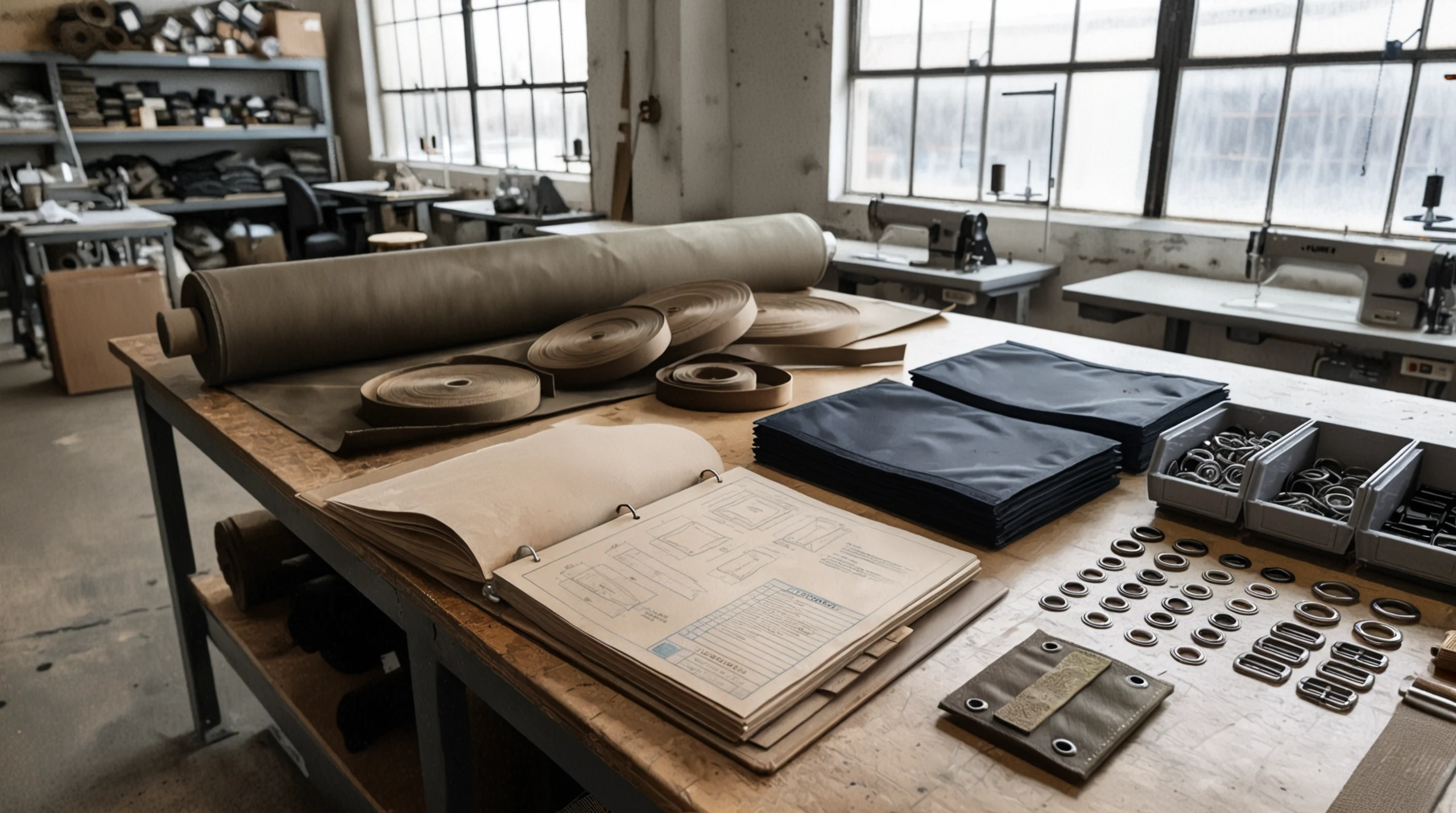
Contract manufacturing means a factory builds your product to your specification, under a manufacturing agreement, for a flat or per-unit fee. The factory owns none of your design or your business. It is a service relationship, not a partnership, no matter what a sourcing agent's pitch deck calls it.
Here is the narrower definition from the factory side of that contract, and how to tell it apart from the models that get sold under the same name.
What contract manufacturing actually means
A contract manufacturer takes your design, your tech pack, and your materials spec, and turns it into finished units. You pay for the labor, the machine time, and the materials. You do not pay for equity, a commission on top of the factory invoice, or a stake in your company. That last point is where the term gets diluted: plenty of sourcing arrangements get called "contract manufacturing" when what is actually happening is a sourcing agent taking a commission between you and the factory that does the real work.
The contract itself should say, in writing, who owns the design, the pattern, and the tooling once the run is paid for. On a true contract manufacturing deal, that is you. If a factory or agent is vague about that question, the relationship is not contract manufacturing yet, it is still being negotiated.
Contract manufacturer vs sourcing agent: who is on the floor
A sourcing agent finds a factory for you and manages the relationship, usually for a commission on the order value. A contract manufacturer is the factory itself. The distinction matters because every layer between you and the cutting room is a markup you cannot see, on an invoice you never get to read.
Ask directly: who walks the manufacturing partner's floor, you or a go-between? If the answer is a go-between, you are buying sourcing services, not contract manufacturing, and the price you are quoted includes a fee that has nothing to do with sewing a single unit.
What gets included under one contract manufacturing agreement
A serious agreement covers the work from pattern to shipped carton: cutting, sewing, hardware installation, quality control, and packing, under one document with one point of accountability. Splitting those stages across separate vendors, a pattern maker here, a sewing shop there, a QC firm somewhere else, is not wrong, but it is not contract manufacturing in the single-contract sense. It is a supply chain you are assembling and managing yourself.
Contract manufacturing vs private label vs ODM
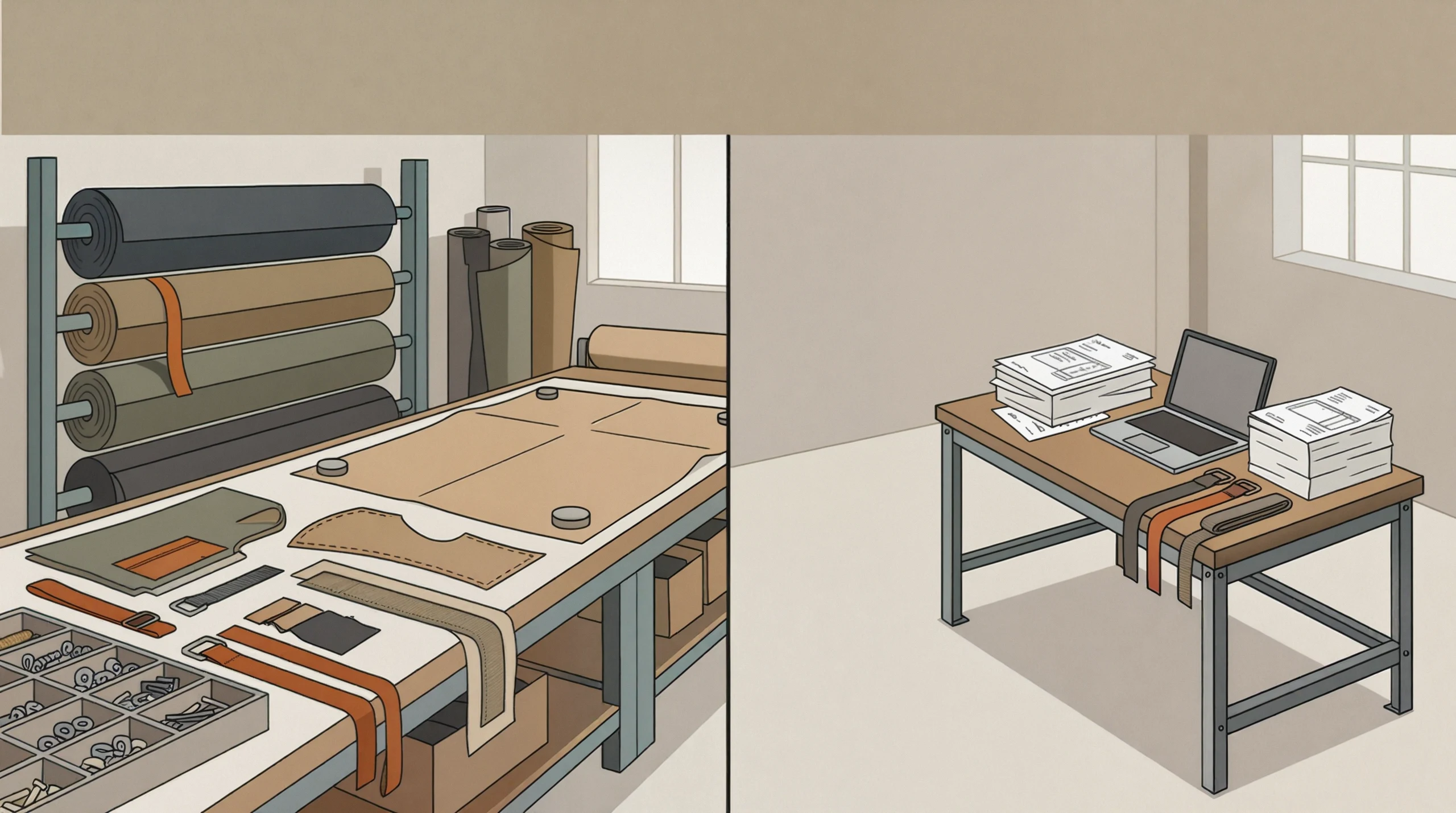
These three get used interchangeably and they are not the same purchase. Contract manufacturing builds your design, from your spec, every time. Private label sells you an existing, unchanged product with your logo on it. ODM sells you a version of the factory's own design with your changes layered on top. If your product does not exist anywhere yet, you want contract manufacturing. If you are testing a market fast with no design work, private label is the right call, and it should be priced like one.
When small batch manufacturing changes the math
Small batch manufacturing runs, under a few hundred units, change what contract manufacturing should cost you. Tooling and setup time get divided across fewer units, so the per-unit price is higher than a large run even at the same factory, under the same contract terms. A quote that looks identical for a small run and a run several times its size is a sign nobody actually repriced the setup cost, not a sign you found a bargain.
Questions that expose a broker pretending to be a factory
- Can I see the factory floor, in person or on a video call you did not stage? A real contract manufacturer says yes without hesitation.
- Whose name is on the manufacturing agreement? If it is a trading company or consultancy rather than the factory itself, you are one layer removed from the people actually building your product.
- What happens to the pattern and tooling if I move my order next year? A contract manufacturer with nothing to hide answers this in one sentence.
What to do this week
Pull up your current manufacturing quote and find the line that tells you whose floor the work happens on. If you cannot find that line, ask for it directly before you sign anything else. If your product is a bag, a pack, a vest, or technical soft goods and you want a straight answer on what kind of manufacturing relationship you are actually being offered, tell me what you're trying to make.